Can Stress Affect Your Physical Health?
Learn about short-term stress, long-term stress and the relationship between stress, the brain, nervous system and physical health.
Read the ArticleIf you're dealing with chronic or recurring concerns, stress-related patterns, or feel like you've tried everything and are still looking for answers, QNRT offers another perspective to explore.
At Inspire Health & Wellness in Harrisburg, Illinois, Dr. Tony Fry, D.C. offers Quantum Neuro Reset Therapy (QNRT) — a non-invasive, brain-first approach that explores the relationship between emotional stress and the nervous system. QNRT is one approach patients may explore alongside the care they already receive.
People travel to our Harrisburg office from throughout Southern Illinois and the surrounding region for this specialized work.
Interested in QNRT? Choose New Patient — Comprehensive when scheduling.
Quantum Neuro Reset Therapy (QNRT) is a non-invasive approach focused on the relationship between emotional stress, the nervous system, and the body's stress-response patterns.
QNRT looks at how experiences and emotional stress can be associated with neurological patterns that continue to influence how a person responds to certain triggers — even after the original situation has passed.
QNRT is not psychotherapy or talk therapy. You don't have to spend your appointment talking through or reliving difficult experiences. It is also not used to diagnose medical or psychological conditions.
Instead, QNRT provides a hands-on, neurological approach for exploring patterns associated with emotional stress and the nervous system.
People come to QNRT for many different reasons. Some are dealing with a specific concern. Others have several things going on at once, or simply feel they haven't gotten where they hoped to be despite the care they've already received. Many have already tried medications, therapy, chiropractic care, supplements, or other approaches — and are looking for another piece of the puzzle worth exploring.
Anxiety is one of the more common concerns among people who come to Dr. Fry for QNRT. Some describe feeling constantly on edge, difficulty relaxing, or feeling reactive to certain situations. Rather than diagnosing or treating an anxiety disorder, the QNRT approach focuses on emotional stress patterns and neurological responses that may be associated with how a person reacts to stress and certain triggers.
People who explore QNRT may be dealing with concerns such as:
What many people who explore QNRT have in common is an interest in looking beyond the symptoms themselves and considering how emotional stress patterns and the body's response to stress may fit into their overall experience. Every person's situation is different, and Dr. Fry's approach is to understand what you've experienced, what you've already tried, and whether QNRT is something that makes sense for you to explore.
QNRT does not replace appropriate medical or mental-health care. It can be explored alongside other care by people interested in looking at stress and emotional patterns from another perspective.
Stress isn't only something you feel emotionally. Research continues to help us understand how stress and adverse experiences can affect the brain, nervous system, stress-response systems and physical health.
If you'd like to understand more about why I consider stress patterns when working with chronic and recurring health problems, these resources are a good place to start.
Learn about short-term stress, long-term stress and the relationship between stress, the brain, nervous system and physical health.
Read the ArticleLearn about Adverse Childhood Experiences (ACEs), childhood stress and research examining health later in adulthood.
Read the ArticleWe usually think of stress as something we feel in the moment. But sometimes a situation can be over while the way we respond to certain reminders, circumstances, or triggers seems to continue. The QNRT model looks at the relationship between emotional stress, the nervous system, and neurological responses associated with certain experiences or triggers.
A QNRT session begins with Dr. Fry evaluating neurological responses using the QNRT protocol. The process is used to explore patterns that may be associated with emotional stress, experiences, or triggers relevant to what is being evaluated that day. Dr. Fry then uses the neurological therapies that are part of the QNRT protocol, with the goal of supporting a more balanced neurological response.
You don't have to come in knowing what emotional event or stress pattern might be involved, and you don't need to determine whether QNRT is the right approach before your first visit. You can also share more about your history through the new-patient intake, which helps Dr. Fry prepare for your visit.
The focus isn't on having you analyze every past experience or spend the appointment talking through difficult memories. The focus is on the neurological patterns explored through the QNRT process.
QNRT is non-invasive, and an appointment typically lasts approximately 20 minutes.
My interest in QNRT wasn't simply about adding another service to my practice. It became personal.
My wife had been struggling with health problems that we couldn't seem to get answers for. We explored different avenues looking for something that might help, and that journey eventually introduced us to QNRT.
Seeing her experience with QNRT changed the way I looked at the possible relationship between emotional stress, neurological patterns, and the physical symptoms people experience. It made me want to understand the approach for myself.
I began studying QNRT and eventually incorporated it into my own practice. Since then, I've had the opportunity to work with many people who come to me because they're still looking for answers—often after they've already tried several other approaches.
That's one of the reasons QNRT has become such an important part of the work I do today.
— Dr. Tony Fry
Dr. Tony Fry has been a licensed chiropractic physician since 1997 and is a graduate of Palmer College of Chiropractic. After more than 25 years in practice, his work has increasingly included brain-first approaches for patients dealing with complex or recurring concerns.
Dr. Fry is officially certified in Quantum Neuro Reset Therapy (QNRT) and has completed all three QNRT Advanced Protocol trainings: Emotional Heart, Advanced Miasms, and Autoimmune. This advanced training builds upon the core QNRT protocol and gives Dr. Fry additional QNRT tools and protocols to draw upon in his work with patients.
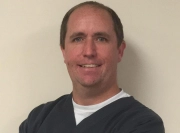
Dr. Tony Fry, D.C.
Ready to explore QNRT? Schedule a New Patient Visit and choose New Patient — Comprehensive.
Stress isn't only something you feel emotionally. Learn more about the connection between stress, the brain, nervous system and physical health—and why Dr. Fry considers stress patterns when looking at chronic and recurring health problems.
Read the ArticleEvery person's experience with QNRT is different. Sometimes the best way to understand what it's like to explore this approach is to hear directly from people who have experienced it themselves at Inspire Health & Wellness.
Patient experiences are personal and individual results can vary.
Inspire Health & Wellness is located in Harrisburg, Illinois, where Dr. Tony Fry provides QNRT for people from throughout Southern Illinois and the surrounding region. Because QNRT is a specialized service, some patients travel farther for this work than they might for routine healthcare — including from parts of southeastern Missouri, southwestern Indiana, and western Kentucky.
If you've been searching for QNRT and haven't found a practitioner close to home, you're welcome to contact our office to learn more about the approach and whether traveling to Harrisburg may make sense for you.
You don't have to determine whether QNRT is right for you before scheduling. If something you've read here resonates with you, the next step is simple — begin through our new-patient system, and Dr. Fry can answer your questions and help you understand what to expect.
If you're interested in QNRT, choose New Patient — Comprehensive when scheduling. You can also contact our office with any questions.
Interested in QNRT? Choose New Patient — Comprehensive when scheduling.